8 Reasons to Keep Your Oven Clean (and the Best Way to Clean It)
Regular oven cleaning does far more than keep your appliance looking nice. It helps reduce fire risk, improves food flavour, lowers energy consumption, and can even extend the life of your oven. Whether you clean it yourself or hire a professional, here’s why regular oven cleaning is worth making part of your routine.
- Built-up grease and food debris are a fire hazard
- Baked-on residue can affect the taste and smell of your food
- A dirty oven has to work harder, pushing up your energy bills
- Grime buildup can shorten your oven’s lifespan
- Simple oven cleaning hacks and a regular routine keep on top of it
- Heavy carbon build-up is best left to a cooker cleaning service
- Leftover food residue can attract pests into your kitchen
Why Is Oven Cleaning Important?
Keeping on top of oven cleaning protects your safety, your food, your appliance, and your running costs. Here are the main reasons it’s worth the effort.
1. Reduces Fire Risk
Grease and fat splatters are flammable, and they build up fast on oven walls, racks, and the floor of the cavity. When they overheat, they can smoke or, in the worst cases, ignite.
The London Fire Brigade flags a build-up of fat and grease in the oven, hob, and grill as a fire risk, alongside leaving cooking unattended. Regular cleaning removes this fuel source before it becomes a problem.
Professional Tip: If your oven smokes or smells burnt every time you switch it on, even when there’s no food inside, it’s usually a sign of built-up grease or carbon deposits rather than a fault with the appliance. Cleaning the oven promptly can often solve the problem before it worsens.
2. Improves the Taste and Smell of Your Food
Old grease and burnt-on spills don’t just sit there quietly. Every time you turn the oven on, that residue heats up again, releasing smoke and odours that can seep into whatever you’re cooking.
This is one of the most overlooked reasons for cleaning the inside of oven surfaces regularly, it keeps flavours clean, especially for delicate dishes like bread, cakes, and roasted vegetables.
3. Keeps Your Oven Running Efficiently
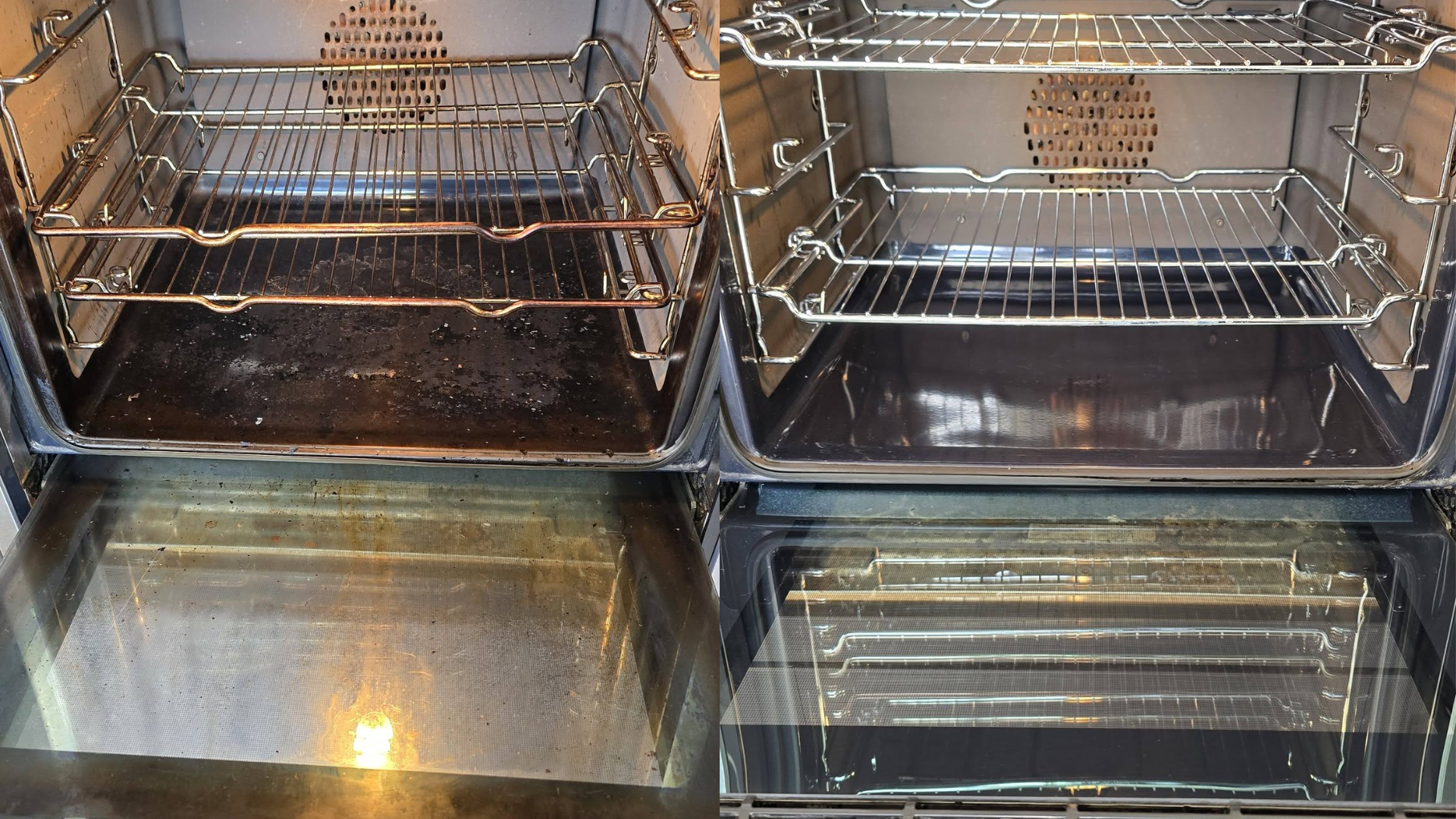
A build-up of grime on heating elements, fans, and the oven floor can affect how evenly heat circulates. Some ovens end up working harder, and running longer, to reach the same temperature.
Over time, that extra effort can mean higher energy use. The Energy Saving Trust notes that a dirty oven door can also mean opening it more often to check on food, which wastes heat and energy each time.
4. Extends the Life of Your Appliance
Grease and carbon build-up can damage seals, heating elements, and glass door panels if left too long. Replacing these parts, or the oven itself, is far more expensive than regular maintenance.
Using the best thing to clean oven surfaces for your appliance type helps protect these components for longer. Which? advises checking your instruction manual first, since caustic-based cleaners can damage glass and enamel on some models.
5. Supports Better Food Hygiene
Burnt-on food residue, grease and spills can affect the cleanliness of your cooking environment and increase the risk of unpleasant smoke and odours transferring to your food. Keeping your oven clean also reduces the chance of old residue contaminating trays, cookware, or freshly prepared meals during handling.
Simple habits, such as wiping up spills once the oven has cooled and cleaning away grease before it builds up, help maintain a cleaner, more hygienic cooking space. Those oven cleaning tips can help you in the long run.
6. Makes Deep Cleans Faster and Easier
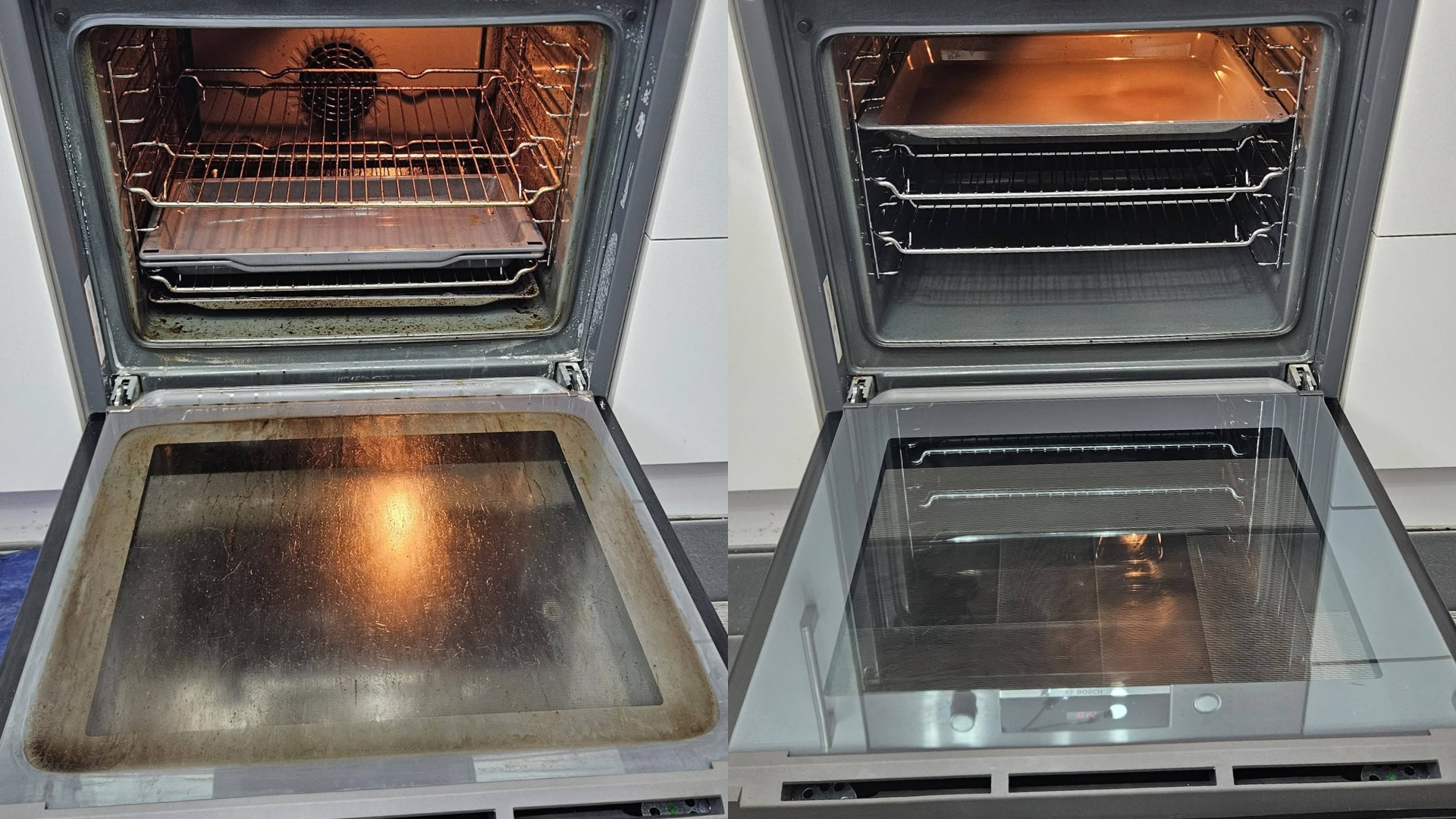
The longer grease sits, the harder it bakes on, and the longer it takes to shift. A quick wipe-down after cooking, or a light steam clean oven session every few weeks, means you avoid a stubborn, hours-long scrub later. If you would like more tips on keeping your oven clean between professional cleaning visits, read our guide on our Top 10 Oven Cleaning Tips.
7. Keeps Your Kitchen Looking (and Smelling) Its Best
A clean oven door and interior make a real difference to how your whole kitchen feels. Smudged glass and a smoky smell are hard to ignore, especially if you cook often or have guests around.
8. Helps Keep Pests Away
Crumbs and grease residue left in the oven cavity, especially around the door seal and base, can attract ants, mice, and other unwelcome visitors looking for an easy food source.
A regular clean, alongside good general oven cleaning tips like removing crumb trays and wiping spills promptly, removes the temptation before it becomes a problem.
Signs Your Oven Needs Cleaning
- Smoke or a burning smell when the oven heats up, even with nothing inside
- Visible grease or carbon build-up on the racks, walls, or oven floor
- A cloudy or streaked oven glass cleaner job isn’t fixing, the residue is baked in
- Food tasting slightly smoky or “off” even when cooked correctly
- Longer cooking times than usual, which can point to poor heat circulation
What’s the Best Way to Clean an Oven?
For light-to-moderate grease, natural ingredients work well and avoid the fumes of stronger chemical products. A bicarbonate of soda paste left overnight, followed by a vinegar rinse, is one of the most reliable oven cleaning hacks for interiors, glass, and racks.
For the full step-by-step method, including how to clean oven door glass without scratching it, see our guide on How To Clean Oven Glass Without Scrubbing.
A few quick habits also go a long way:
- Wipe up spills once the oven has cooled, rather than letting them bake on
- Use a tray or foil to catch drips from bakes that are prone to overflow
- Soak the oven racks in hot water with bicarbonate of soda once a month
When to Book a Professional Oven Cleaner
Natural methods handle everyday grease well, but heavy, long-neglected carbon build-up, range cookers, and AGAs usually need a professional oven cleaner to finish the job properly and safely.
A cooker cleaning service uses eco-friendly products that dissolve stubborn carbon without the fumes of caustic soda, and it’s often quicker than repeated DIY cleaning attempts on very heavy grime.
If you’d rather leave it to the experts, you can read more in our guide on Should I Get Professional Oven Cleaning?, or get in touch to book a professional oven cleaning with our team.
Frequently Asked Questions (FAQs)
It’s unlikely to make you seriously ill, but a dirty oven can affect food hygiene. Burnt-on grease and food residue can transfer smoke and odours to whatever you’re cooking, and old debris can attract pests like ants or mice. Wiping up spills once the oven has cooled helps keep your cooking environment cleaner.
Yes. Grease and fat splatters are flammable and build up quickly on oven walls, racks, and the cavity floor. The London Fire Brigade lists fat and grease build-up in ovens, hobs, and grills as a fire risk, so regular cleaning removes that fuel source before it becomes dangerous.
It can. Grime on heating elements and fans affects how evenly heat circulates, so the oven may need to work harder and run longer to reach the same temperature. A greasy oven door can also tempt you to open it more often to check on food, wasting heat each time.
Not necessarily. Bicarbonate of soda is generally safe for standard oven interiors, glass, and racks, but it’s worth checking your instruction manual first, as some finishes (like certain enamel or glass surfaces) can be damaged by abrasive or caustic-based cleaning methods.
Grease builds up, increasing fire risk and smoke, food can take on a burnt taste, and heating elements or seals may wear out faster than they should.
For heavy carbon build-up or if you simply don’t have the time, a professional oven cleaning service can save hours of scrubbing and get a deeper result than most DIY methods.
Need your oven cleaned? Book in your Oven Rescue!